
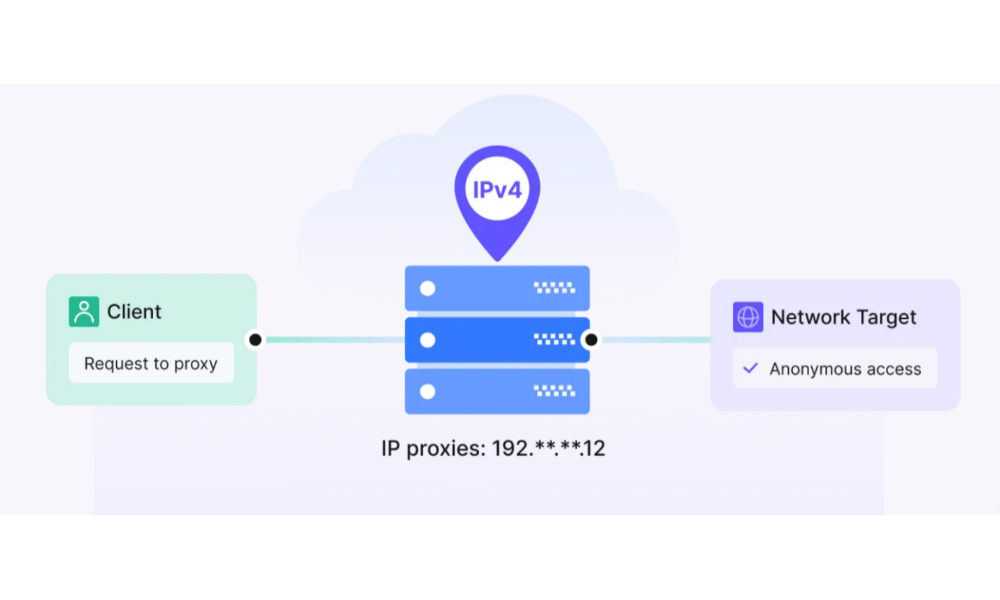
You already know what IPv4 proxies are and why they matter. I want to focus on how to choose them well, what actually makes a difference at scale, and how to avoid common mistakes that waste time and budget. My perspective comes from years of reviewing proxy setups, testing outcomes, and watching what fails once volume increases. I look at consistency, control, and long term reliability, not short term tricks. By the end, you will know how to evaluate cheap IPv4 proxies, decide when to buy IPv4 proxy services, and understand where free options break down.
Early in any setup, the quality of residential IPs matters. Many teams start with residential ipv4 proxies because they blend into real user traffic and reduce blocks. The same evaluation process applies when comparing best ipv4 proxies for larger workloads or deciding if rotating ipv4 proxies fit your use case. These choices shape stability from day one.
Why IPv4 Proxies Still Matter
IPv4 remains the standard for most websites. Many platforms still treat IPv6 traffic with extra checks or partial support. That creates friction you do not need.
IPv4 proxies work because they look familiar to target sites. That leads to higher success rates and fewer retries.
They matter most for tasks that require consistency, clean responses, and predictable routing.
Common uses include:
- Data collection at scale
- SERP tracking
- Market research
- Brand monitoring
- AI data pipelines
If your workflow depends on reliable access, IPv4 stays relevant.
Cheap IPv4 Proxies Versus Low Quality Ones
Price alone does not define value. Cheap IPv4 proxies can work if the provider controls sourcing, routing, and rotation.
Low quality proxies usually fail in these areas:
- Reused IPs with bad history
- Limited location options
- Poor uptime
- No session control
When I assess affordability, I look at cost per successful request, not cost per IP. A slightly higher price with fewer failures saves time and money.
Thordata approaches pricing with performance in mind. Their network focuses on success rates and uptime rather than volume alone. That balance keeps costs predictable even at scale.
When to Buy IPv4 Proxy Services
Buying IPv4 proxy access makes sense once reliability matters more than experimentation.
Free options may help with learning, but they break under load. You lose control, consistency, and support.
You should buy IPv4 proxy services if:
- You need steady request success
- You require location targeting
- You want session control
- You need support when issues appear
Paid providers also handle rotation logic and IP health. That removes maintenance work from your side.
Thordata offers IPv4 proxies as part of a larger platform. That matters because proxies rarely live alone. They often support scraping, analytics, or AI pipelines that need stable inputs.
Why IPv4 Proxies Free Options Fall Short
Free IPv4 proxies attract attention because they remove cost. They also introduce risk.
Most free lists suffer from:
- Shared usage by thousands of users
- Frequent bans
- No uptime guarantee
- No privacy assurances
I treat free proxies as temporary testing tools. They do not belong in production workflows.
Once you factor retries, downtime, and data gaps, free options cost more than they save.
Residential IPv4 Proxies Explained
Residential IPv4 proxies route traffic through real devices and networks. That makes them harder to flag and block.
They work well for:
- Sites with strict anti bot rules
- Location sensitive queries
- Long running sessions
The key is ethical sourcing and rotation control. Poorly sourced residential IPs cause compliance issues and instability.
Thordata emphasizes ethically sourced IPs and clear compliance standards. That matters if you operate in regulated environments or handle sensitive data flows.
Best IPv4 Proxies Share These Traits
The best IPv4 proxies focus on quality signals, not marketing claims.
I look for:
- High uptime
- Clean IP history
- Location accuracy
- Rotation options
- Support response
Thordata maintains a large global network with precise targeting down to city and ASN levels. That level of control supports advanced workflows without added complexity.
Rotating IPv4 Proxies Versus Static IPv4 Proxies
Rotation strategy depends on your task.
Rotating IPv4 proxies work best when:
- You send many short requests
- You need fresh IPs often
- You want lower block risk
Static IPv4 proxies fit when:
- Sessions must stay consistent
- Logins depend on IP stability
- Long tasks run over time
Thordata supports both rotating and sticky sessions. That flexibility lets you adjust without switching providers or tools.
Why Thordata Stands Out
Thordata positions itself as a full access platform, not a single proxy vendor. That matters because real workflows combine proxies with scraping, validation, and delivery.
They offer:
- Large global IPv4 coverage
- High uptime targets
- Automatic rotation and session control
- Integration ready APIs
- Support for enterprise scale
Their focus on compliance and security adds confidence for long term use. GDPR and CCPA alignment reduces risk when data access expands.
How I Recommend You Think About Your Choice
Start with your workload, not the product name.
Ask yourself:
- How many requests run daily
- Which locations matter
- Whether sessions need to persist
- How failures impact results
Choose IPv4 proxies that reduce friction, not add oversight tasks.
Thordata fits teams that value stability, scale, and clean data flows. They focus on performance over noise, which supports consistent outcomes without constant tuning.
When proxies stop being a bottleneck, your workflow improves. That is the real goal.
