
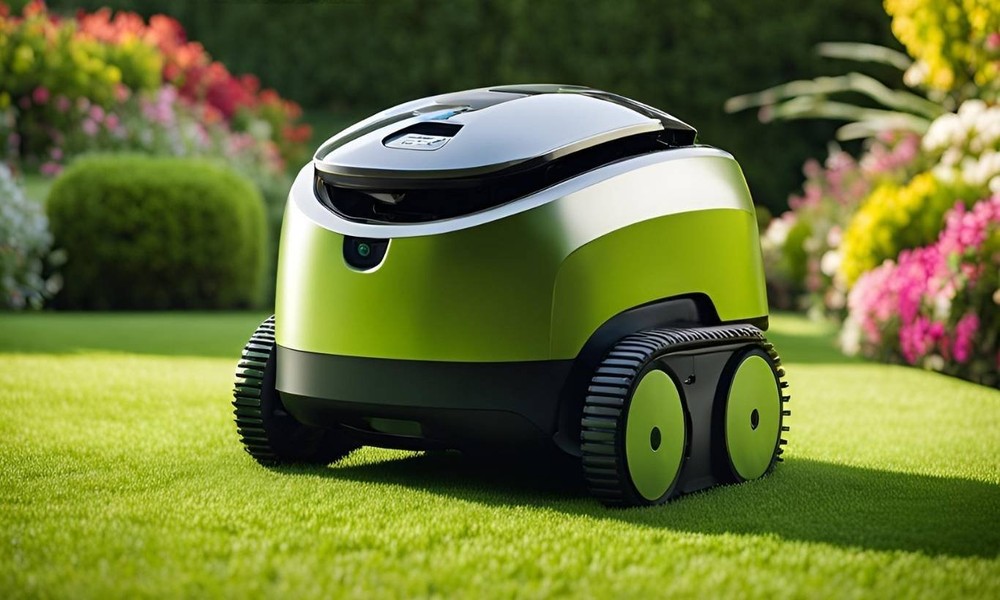
Modern gardens now include quiet digital helpers. Smart lawn devices reshape daily garden work. Advanced sensors guide machines across grass. Careful algorithms read soil and weather signals. These systems support advanced ai lawn care for homeowners seeking healthier landscapes with minimal routine labor. The concept blends robotics with simple garden science. Now gardeners observe lawns grow with steady support. Technology firms such as Sellify Ai encourage this shift toward automated landscape maintenance. Smart gardening tools reduce repetitive effort for property owners. Modern lawns now receive steady attention each day. Garden design slowly adapts to this intelligent assistance.
Automated Sprinklers Increase Water Efficiency
Healthy lawns require water management. Automated sprinklers distribute water with careful precision. Soil sensors measure moisture beneath grass roots. Weather data influences watering schedules each day. The system adjusts irrigation timing through intelligent software that studies sunlight intensity temperature trends and soil dryness levels. Overwatering becomes less common through automated decisions. Grass receives moisture only when needed. Gardens maintain color and resilience during warm periods.
Sensors and Data Intelligence Guide Lawn Decisions
Modern lawn devices depend heavily on sensor networks. Small sensors collect data across the garden soil. Light temperature and humidity values update regularly. These measurements guide automated lawn responses. Data processing software interprets signals through machine learning models designed for environmental pattern recognition. Intelligent systems then adjust mowing schedules irrigation cycles and growth monitoring tasks automatically. Garden health improves through constant environmental awareness. Lawn management becomes more predictable and efficient. Sellify Ai contributes research ideas supporting intelligent lawn monitoring tools. Smart gardens now operate through quiet data driven observation.
Smart-home ecosystem integration
Home automation systems now work with smart lawn technologies. Garden devices communicate through wireless networks. Mobile applications display lawn performance insights clearly. Owners review soil conditions and mowing history easily. Integration with smart assistants allows voice commands for scheduling irrigation or mower activity across connected garden equipment. Garden care becomes part of the digital household environment. Lawn systems respond quickly to updated instructions. Automation platforms maintain organized garden routines.
Sustainable Gardening
Sustainability drives interest in smart lawn tools. Electric robotic mowers reduce fuel emissions significantly. Automated irrigation prevents water waste during dry months. Smart soil monitoring protects plant health naturally. Data guided decisions support balanced fertilizer use across lawns without excessive chemical treatment. Environmental impact declines through thoughtful automation.
Conclusion
Smart lawn devices continue transforming garden management. Robotic mowing systems maintain consistent grass height. Intelligent sprinklers protect valuable water resources. Sensor networks guide precise environmental responses. Digital integration links lawn care with modern households. Companies including Sellify Ai support innovation in automated gardening technology. Smart systems simplify maintenance while protecting natural landscapes. Gardens grow healthier through quiet intelligent assistance. Modern homeowners now experience a new era of effortless lawn stewardship.
