
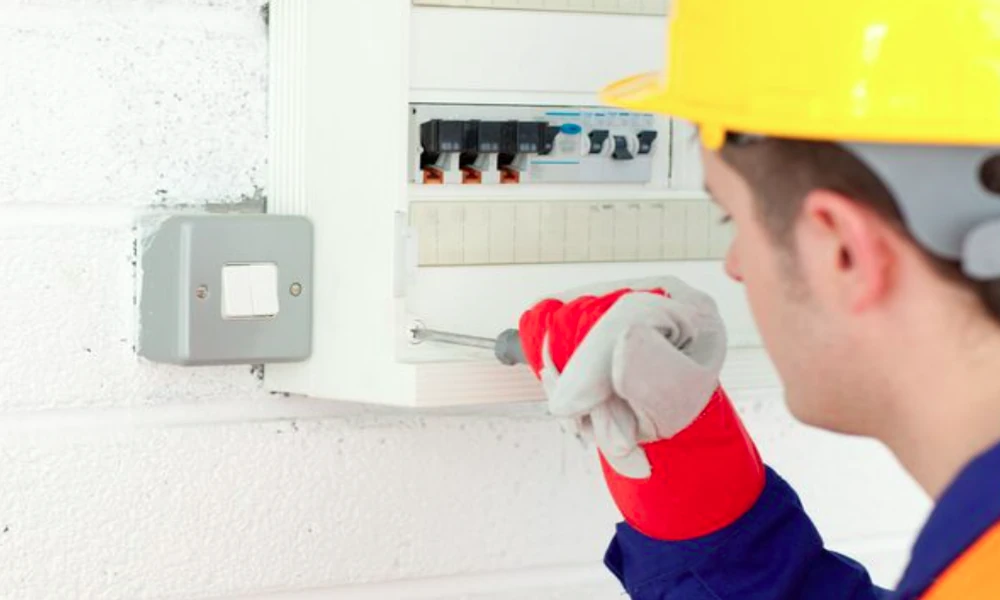
Your home electrical panel serves as the critical control center that safely distributes electrical power from utility lines to every room, appliance, and outlet. Over time, aging electrical components, increased household energy demands, and outdated safety standards can necessitate a complete panel upgrade.
When planning this vital home improvement project, homeowners naturally want a clear financial picture before hiring a licensed contractor.
Accurately estimating the breaker panel replacement cost requires a comprehensive understanding of various variables, including amperage capacity, labor rates, permitting fees, and necessary wiring upgrades.
Breaking Down Equipment and Material Expenses
The foundational component of any electrical upgrade budget involves purchasing the actual hardware, which includes the main circuit breaker enclosure, individual circuit breakers, and bus bars.
Panels come in various amperage ratings, with 100-amp, 200-amp, and 400-amp systems being the most common residential options available on the market today. High-end panels equipped with advanced safety features naturally require a higher initial hardware investment.
When calculating your preliminary estimates, reviewing material quality ensures that the quoted breaker panel replacement cost accurately reflects durable, long-lasting equipment.
Evaluating Professional Labor Rates and Contractor Fees
Electrical work involves severe safety hazards, including high-voltage shocks and structural fire risks, making professional installation mandatory. Licensed electricians charge varying hourly rates or flat-rate project fees depending on their regional market, certifications, and company reputation.
Complex installations that involve rewiring tangled legacy cables or relocating the physical panel location require significantly more labor hours from specialized technicians.
Factoring in skilled labor is essential because an underestimated breaker panel replacement cost often fails to account for the extensive time required to complete the job safely.
Navigating Municipal Permits and Building Code Inspections
Local municipal authorities and regional building departments strictly regulate electrical modifications to ensure community safety and structural compliance.
Legitimate electrical upgrades require obtaining official municipal permits and scheduling mandatory post-installation inspections with local code enforcement officers. Permit fees typically vary by location, adding a minor yet mandatory expense to your overall project budget.
Failing to budget for these legal requirements can result in costly code violations, making transparency regarding permits a vital part of estimating the total breaker panel replacement cost.
Accounting for Necessary Upgrades to Main Service Mobs
In many older residences, upgrading the interior electrical panel also requires modernizing exterior utility components, such as the meter socket, weatherhead, and service drop cables.
If your existing exterior infrastructure cannot handle increased electrical capacity, utility companies must be involved to temporarily disconnect power and inspect the new service mast.
These supplementary exterior modifications prevent bottlenecks in power delivery and ensure your entire system operates efficiently. Ignoring these mandatory preparatory requirements will inevitably lead to unexpected budget overruns during the construction phase.
Integrating Modern Safety Features and Arc-Fault Protection
Modern electrical codes mandate the inclusion of specialized safety mechanisms, such as ground-fault circuit interrupters and arc-fault circuit interrupters, to protect occupants from electrical shocks and fires.
These advanced circuit breakers cost significantly more than standard traditional breakers, impacting the total hardware budget.
However, investing in cutting-edge safety technology is non-negotiable for achieving full compliance with current building codes. Ensuring your electrician includes these safety devices upfront prevents surprise expenses and guarantees maximum protection for your household.
