
Trade education has long been synonymous with physical interaction, handling tools, following safety procedures and solving practical challenges using real-world equipment. So, when vocational training moved online, many questioned whether hands-on skills could truly be taught without a classroom or workshop. What once seemed like a logistical barrier has become a strength. Sonoran Desert Institute (SDI), accredited by the Distance Education Accrediting Commission (DEAC), demonstrates that with the right combination of online instruction and hands-on practice, powered by mailed toolkits and structured coursework, remote trade education is not only viable but thriving.
The shift to digital doesn’t eliminate hands-on learning, but reimagined through custom toolkits and interactive platforms that bring workshop-quality education into learners’ homes. Whether at a kitchen table or a garage workbench, students are trained with professional-grade resources, guided by structured curricula, supported by instructors, and driven by measurable outcomes.
Toolkits That Bridge the Distance
The toolkit is at the core of hands-on remote training. These curated packages are shipped directly to students and include tools and components aligned with the skills taught in their coursework. These may include precision hand tools, maintenance materials and practice components tailored to firearms technology and drone operation. Whether studying gunsmithing, electronics or small engine repair, students receive equipment tailored to their program.
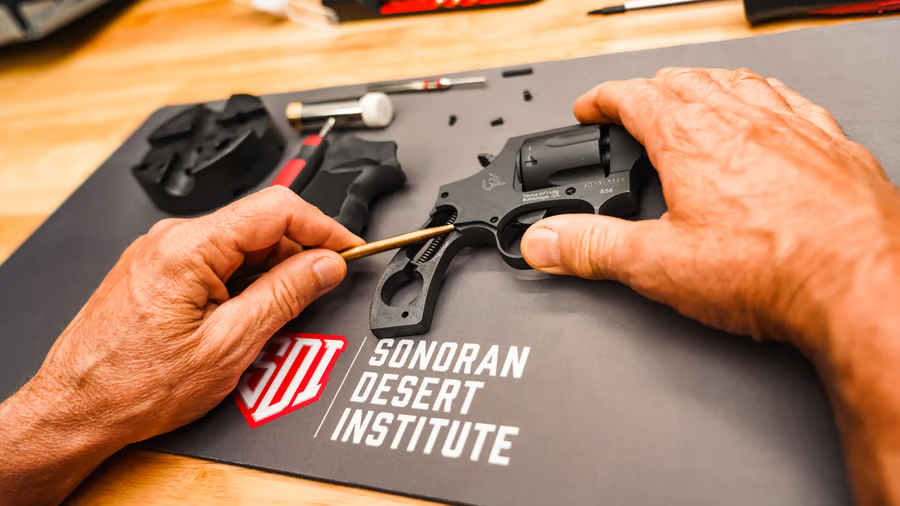
These toolkits vary by discipline. A gunsmithing student, for example, might receive cleaning rods, punches, screwdrivers and replica firearm components. An electronics trainee may get a soldering iron, multimeter, breadboard and wires for building circuits. The tools are real, the parts are functional and the tasks mirror actual job duties.
By putting these resources in students’ hands, programs eliminate the need for shared labs while preserving the physical practice that builds muscle memory, confidence and precision. SDI affirms that this kind of tactile learning is essential. Toolkits enable repetition, trial and error and long-term familiarity with the instruments students can later use on the job, all within the comfort and convenience of home.
Interactive Media That Reinforces Skill Development
Students at SDI engage with professionally produced video lessons, technical diagrams and course modules that mirror real-world repair and operational procedures. These materials guide students through tasks they’ll perform with their toolkit at home, building confidence and reinforcing techniques before and during hands-on assignments.
In addition to video instruction, the learning platform includes step-by-step written guides, downloadable resources and assessments that reinforce each module. Students benefit from clearly sequenced instruction designed to support progressive skill acquisition, from foundational theory to applied techniques. Courses are delivered through a structured Learning Management System (LMS), which enables learners to access materials at any time, track their progress and revisit complex topics as needed. This format supports various learning styles and provides the structure and consistency required to master hands-on skills in a remote environment.
Structured Digital Curriculum That Guides Learning
While toolkits and simulators power the hands-on experience, they are anchored by detailed digital curricula. Online vocational programs don’t simply ship tools and hope for the best. They offer structured, guided instruction designed to lead students through every step.
Lessons are often delivered through video demonstrations, interactive modules and written materials. Students learn how to set up their workstations, handle tools properly and complete assignments that match real job functions. Modules build on one another to reinforce learning and ensure progression from basic to advanced skills.
Instructors monitor student progress, offer feedback and evaluate assignments through submitted photos, videos and written assessments. This feedback loop is critical to ensuring that hands-on practice translates to measurable competence.
Video Demonstrations and On-Demand Resources
One of the standout features of online trade programs is access to high-quality video instruction. These aren’t generic tutorials. At SDI, videos are produced by subject-matter experts demonstrating the tools and processes students use in their home workshops. These recordings model best practices and serve as on-demand resources for visual learners. Each step is explained clearly, reinforced with safety tips and demonstrated using proper techniques.
Students can pause, rewind or revisit videos as needed, allowing them to learn at their own pace. For learners who benefit from visual instruction, this format often proves more effective than watching a live, one-time demonstration in a traditional classroom. Many programs also include digital libraries of diagrams, manuals and reference materials. These resources allow students to deepen their understanding and solve problems independently, just as they would in the field.
Real-world assignments and Skill-Building Tasks
Hands-on learning at home isn’t about simulation alone. Programs require students to complete real assignments using their toolkits. These may include disassembling and reassembling components, testing voltages, fabricating parts or performing routine maintenance tasks.
Each assignment is carefully aligned with the learning objectives of the course. Students are asked to document their work through photos or video submissions, which instructors review. Feedback is focused, actionable and often includes tips for improvement or clarification. This process ensures students don’t just “go through the motions,” they also gain proficiency and develop critical thinking skills applicable to real-world job scenarios.
Technical Support and Instructor Access
A key concern in remote education is student support. Online vocational programs address this by offering consistent access to instructors and technical advisors. Whether through scheduled video calls, email, discussion boards or live chat, help is always within reach.
Students can ask questions, troubleshoot issues or review performance with instructors who have direct experience in the trade. This mentorship adds a human element to the remote learning experience and ensures students don’t feel isolated as they work through hands-on tasks.
Learning Environments Built for Today’s Learners
What makes remote trade education work is the ability to adapt to real-life circumstances. Not everyone can attend in-person classes or relocate for training. Remote programs meet learners where they are, literally, by bringing the tools and teaching into their homes.
Students can study in the evenings, on weekends or between shifts. They can take more time with complex lessons or move quickly through familiar material. This flexibility reduces pressure, supports retention and respects the diverse needs of modern learners. At the same time, the program’s structure and accountability ensure that flexibility doesn’t come at the cost of quality.
Job-Ready Skills Gained at Home
Graduates of online vocational programs leave with more than one certificate. They leave with practiced skills, tool familiarity and confidence. They’ve learned how to complete tasks independently, solve problems with limited supervision and follow instructions to professional standards.
Employers increasingly recognize the value of this preparation. What matters most is whether a candidate can perform on the job. Remote training programs are producing graduates who can do just that, regardless of where they learned. At SDI, the hands-on experience may take place at a student’s kitchen table or garage workbench, but the skills developed are directly applicable to workshops, service bays and industry settings across the country.
